When I look at my own house, I am not thinking about creating a fortress. I am thinking about buying time, making noise, and making my place just annoying enough that someone moves on.
That is really the whole game. Slow the break-in. Make it more visible. Reduce your home’s appeal compared to the one down the street.
I am Alex, one of the co-founders here at Paramount Protections. I live in Burlington, kids, hockey gear scattered by the door, same as many of you. What I am sharing here is what I do, and what I would tell you over the fence if you asked how to make your place less attractive as a target.
How thieves actually choose a house
Police across the GTA talk about the same basic pattern. Most residential break and enters are not movie-style operations. They are quick, low-skill attempts that rely on speed and low visibility. Halton Regional Police, for example, highlight common entry points like unlocked doors and windows and stress that simple steps can make a real difference in burglary prevention (Halton Regional Police burglary prevention).
From what I see in the field, most people doing break-ins want three things.
- Fast entry, under a minute if possible.
- Low chance of anyone seeing or hearing them.
- A layout that looks like a quick in and out, then gone.
So our job as homeowners is not to chase perfection. It is to quietly mess up that plan.
We do that in layers, starting with slowing the actual break-in, then making the person easier to spot, and finally making your home feel like a headache compared to others on the same street.
Layer 1: Slow the break-in
Every extra second matters. If someone has to keep working at your door or window, their stress goes up, and so does the chance a neighbour notices. That can be enough to send them looking for an easier option.
Here is how I look at the first layer at my own place.
Doors: treat them like seatbelts
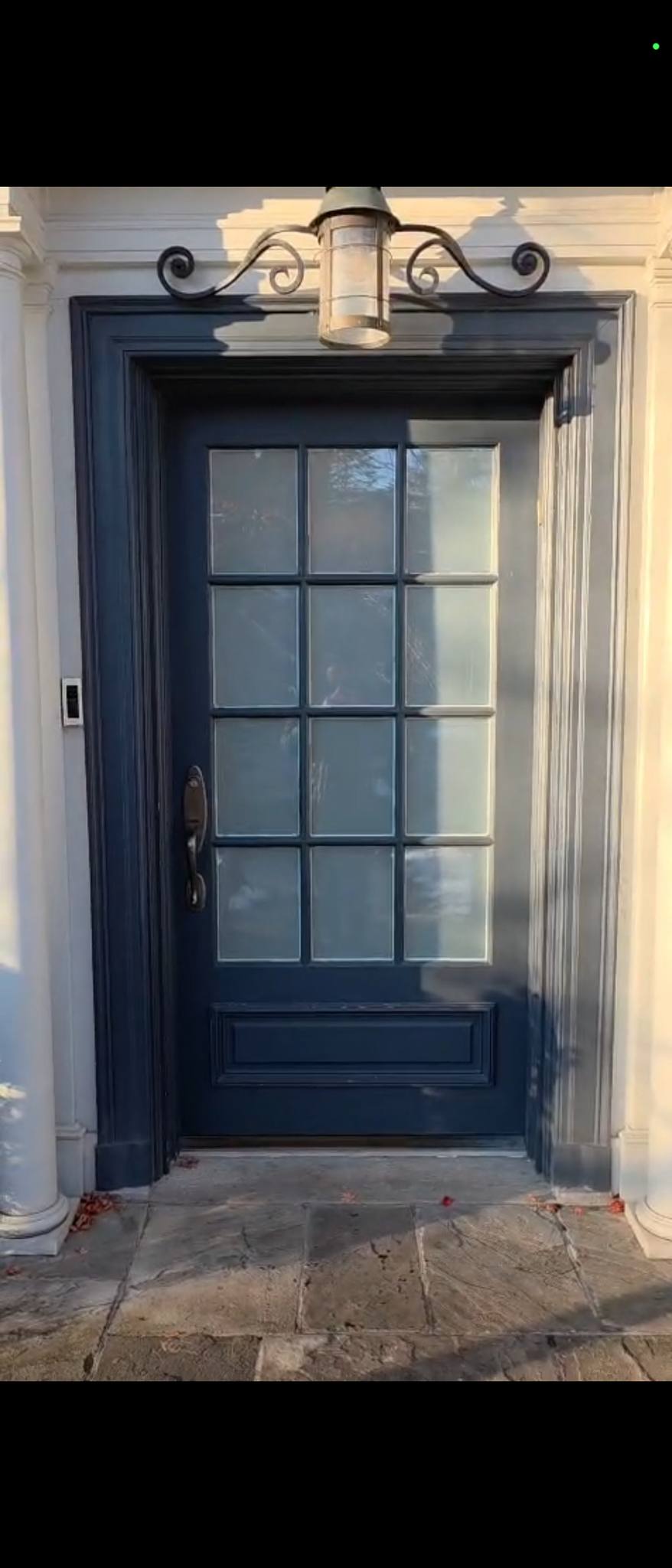
Most residential doors are held in by short screws and a thin strike plate. You can have a great lock, but if the frame gives up, it does not help much. On my own doors, I have longer screws into the framing and reinforced strike plates. If you want to go a step further, we install dedicated door reinforcement kits that spread out the force of a kick and buy more time.
Honestly, if you only pick one project for the next month, I would reinforce your main entry door and any side or garage man doors.
Windows and glass doors: buy yourself time, not silence
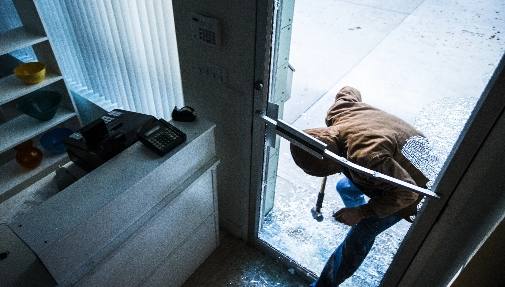
Glass is usually the weakest spot. A quick hit and it is open. At my house, we use window security film on the more vulnerable windows and the patio door. The glass can still break, but the film helps it stay in place instead of falling out in big chunks.
That does two important things.
- It forces more hits, which makes more noise.
- It keeps the opening smaller for longer, so getting through takes more effort.
This is exactly the kind of delay that turns a quick smash and grab into something risky and loud, which is not what most people are looking for.
Garage: not just about cars
Garages are a favourite path into the house because they often feel “semi-secure” and people let their guard down. Durham Regional Police point out that attached garages and side doors are common weak points in residential break and enters (Durham Regional Police residential break and enter prevention).
At our place, the garage has become a bit of a security hub.
- Solid door between the garage and house with good hardware.
- No visible garage door remotes left in unlocked vehicles.
- Basic reinforcement on the side garage door, same as the main entry.
We also offer dedicated garage security options if you want to harden that whole area in one go, but even simple changes make a big difference in slowing someone down.
Layer 2: Increase visibility
Once you have made entry slower, the next step is making it easier to notice. People who do this kind of thing like shadows. Our job is to reduce those shadows around the obvious approach points.
Lighting that fits your life
At our house, I am a big fan of motion lights that trigger as you walk around the property. I like them because they are practical. The kids are less likely to trip over hockey bags on the driveway, and the dog is easier to see at night.
From a security point of view, that same light popping on when someone steps onto the side path or the backyard feels very different than a dark, hidden corner.
My habits at home.
- Path lighting on timers for the front walk.
- Motion lights covering the driveway and side gate.
- Backyard light on when we are out late or away overnight.
You do not need to feel like you are living in a stadium. Just enough that someone cannot quietly work on a lock in the dark.
Cameras as a visible nudge
I will be honest. Cameras alone are not magic. They are part of the visibility layer. What they do well is make someone feel watched and recorded before they even touch a door or window.
When we install security cameras, I like at least one visible camera watching the main approach to the front door and driveway, and another covering the most hidden side or back area. Clear signage helps too.
For my own peace of mind, I like being able to quickly check the app when my phone pings. Did someone just drop a package, or is someone hanging around the side of the house longer than makes sense.
Layer 3: Reduce your home’s appeal as a target
This is the quieter layer. It is about how your home looks to someone doing a quick scan of the street. In Halton, police have noted patterns of targeted break and enters where suspects looked for specific types of homes and easy access points before returning to commit multiple offences (Halton Regional Police Burlington break and enter investigation).
You cannot control everything, but you can make your place a bit less appealing than the ones around it.
Everyday habits that quietly help
Here is a simple checklist I share with friends and neighbours. Nothing fancy. Just habits that scale up your deterrence without adding stress.
- Keep front windows clear enough that a knock at the door is visible from inside.
- Avoid leaving packaging for expensive items visible at the curb before pickup.
- Do not leave ladders or big tools out that could help someone reach upper windows.
- Use basic curtains or blinds to block direct views of high-value items.
- Ask a neighbour to grab mail and adjust blinds when you are away.
- Set up at least one light on a timer in a key living area when you travel.
- Lock side gates if you can do so without blocking fire escape routes.
None of this is about living in fear. At our house, it all just blends into normal routines. It is no different than locking the car or setting the thermostat.
Common questions
Do I really need all three layers
In a perfect world, sure, but you can absolutely start small. If budget is tight, I usually suggest focusing on slowing down the obvious entry points first. That might be reinforcing the front and back doors and adding window security film to any easy-to-reach glass around those doors. Then, as you have room, you add lighting and cameras to improve visibility and work on the small habit changes.
Is an alarm system still worth it
Yes, as long as it fits into the bigger picture. Alarms are great at reducing the time someone is comfortable staying inside. They can also help with quick police notification. We look at alarm systems as another layer, not a replacement for solid doors and glass protection. Personally, I like a monitored alarm, but only after I have done the physical work on doors, windows, and lighting.
How do I choose a trustworthy installer
Ask blunt questions. Who owns the company, who actually does the work, and what happens if something fails. Look for clear, written scope and plain language answers. If you want a deeper dive, we wrote about this in our guide "Choosing a Security Installer You Can Trust (2026 Guide)". Even if you do not hire us, the questions in there will help you sort out your options.
Next step
If you are looking around your home now and thinking "Where do I start", that is exactly what our risk assessment is for. We walk your property, look at doors, windows, lighting, and your daily routines, then map out practical layers like window security film, door reinforcement, and visibility upgrades that fit your budget. If you would like that kind of calm, neighbourly walkthrough, you can book a risk assessment with us anytime at /contact.