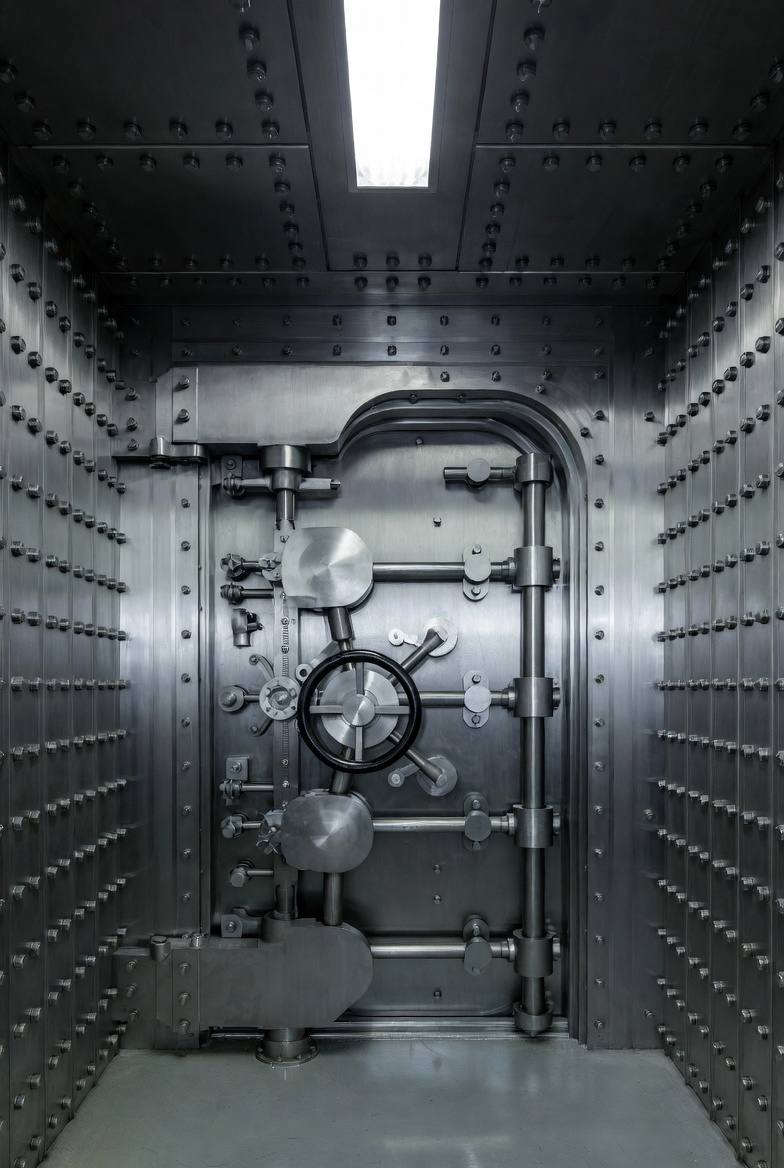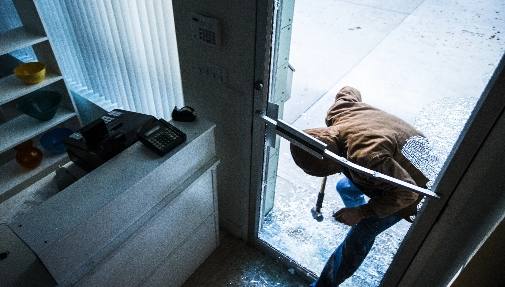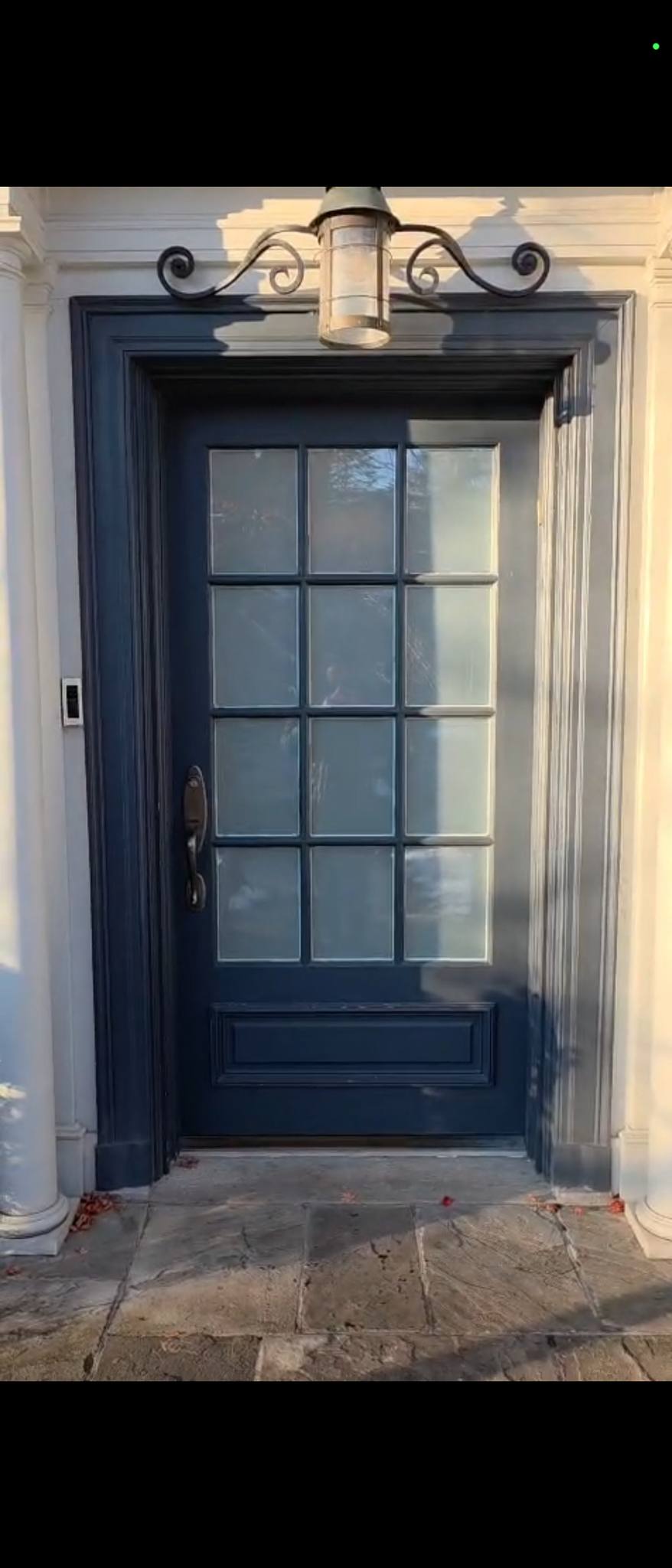
When I show up to a home or shop after a break-in, the story is almost always written in wood and metal. The lock might still be engaged. The deadbolt is often technically intact. The problem is usually the door frame and hardware around it. That is what failed.
Door reinforcement is about fixing that weak link. It is not magic, and it does not promise perfection. It simply makes a door much harder and noisier to force, so you get time to react and a better chance that someone gives up and leaves.
I am David Tiz, Co-Founder at Paramount Protections. I still spend a lot of days on the tools, crawling around door frames, fixing splintered jambs and flimsy screws. In this guide I will walk through how modern door reinforcement actually works, what it does not do, what a real install looks like, and where it makes the most sense.
What door reinforcement is really trying to solve
Most forced entries through doors are not Hollywood lock-picking scenes. They are about speed and leverage. Someone kicks low beside the lock, shoulders the door at the latch, or uses a tool to pry the frame until the short screws and thin wood give up.
Halton Regional Police talk about simple steps like solid doors, secure frames, and good locks as part of burglary prevention basics, long before any high tech devices are mentioned (Halton Police burglary prevention tips). Door reinforcement is a way of upgrading those basics so a quick shove is not enough.
In plain language, door reinforcement tries to do three things.
- Spread the force of a kick or shoulder check over a much larger, stronger area.
- Replace tiny, weak fasteners with long screws that bite deep into the wall framing.
- Clean up any existing problems, like a misaligned strike plate or loose hinges, so the door actually closes and locks the way it should.
That is it. No gadgetry. Just better materials and better contact with the structure of your house or building.
The key pieces: hardware and structure, not gimmicks
On a typical job in Burlington, Oakville, Milton, or across the GTA, here is what I am usually working with and installing on an exterior swing door.
Strike plate and latch reinforcement
The strike plate is the metal piece on the frame that the latch or deadbolt slides into. On many doors it is a thin little plate held on with two short screws into soft wood. That is a recipe for a split frame.
We replace that small plate with a longer, heavier gauge strike or a continuous latch-side wrap. It usually runs several inches or more along the frame, sometimes almost the full height between the locks on a more robust setup.
We then mount it using 3 to 4 inch structural screws that go past the trim and jamb into the actual wall stud. Now, if someone tries to kick it, they are fighting the frame of the house, not just decorative wood.
Hinge reinforcement
The hinge side is the other half of the story. On break-in repairs I often see standard 1 inch hinge screws that have torn right out of the jamb. The door peels away like a can lid.
On a reinforcement job I pull at least one screw from each hinge leaf and replace it with a 3 inch screw into the stud. On some doors we add hinge-side security plates or covers, especially if the hinges are exposed on the outside.
This keeps the hinge from becoming the new weak link after you beef up the lock side.
Door edge and lock reinforcement
On lighter doors, especially older wood or hollow metal units, we will sometimes add a door edge guard around the latch and deadbolt. It is a formed steel piece that wraps the edge so the wood does not split around the locks.
I also check the lock bolt itself. A deadbolt should throw fully into the strike, with the bolt fully extended and clearing the edge of the strike opening. If it is barely catching, all the frame reinforcement in the world will not help.
Fasteners and alignment
It sounds simple, but some of the biggest gains come from boring things like screw choice and alignment.
I carry exterior grade structural screws, shims, a small level, and a sharp chisel. If the door is racked in the opening or rubbing on the top corner, I will adjust the hinges before I install any reinforcement. A misaligned door puts strain on the hardware and makes it easier to force.
The end result I am aiming for is a door that closes smoothly, latches positively, and transfers any impact straight into solid framing through long, strong screws.
What door reinforcement does not do
Door reinforcement is one layer. It is a very physical, mechanical layer, and it has clear limits. Here is what it is not designed to handle.
- It does not stop someone who is determined and has time, tools, and privacy. A reciprocating saw, a large pry bar, or an extended attack will eventually win.
- It does not seal gaps or weatherproof a poor door slab. This is about strength at the lock and hinges, not about drafts or water.
- It does not replace good habits, like actually locking the door, using the deadbolt, and not leaving keys accessible.
- It does not replace other layers, like lighting, security cameras, alarms, or simple visibility from the street.
Police services around the GTA, including Halton Regional Police, often talk about a mixture of physical security, visibility, and awareness when they discuss break and enter prevention, not one silver bullet measure (Halton Police burglary prevention tips). I agree with that focus. My job with door reinforcement is to make a quick, quiet forced entry much less likely and to buy you time for other layers to matter.
What an installation actually involves
Let me walk through what a normal residential or small commercial install looks like. No gloss, just what happens on site.
1. Assessment and measurement
I start by looking at the whole opening. Door material, frame type, lock and deadbolt placement, hinge size, and whether there is any existing damage. I also look at nearby glass, side-lites, or adjacent doors. Sometimes the front door is solid, but the side garage door or back patio door clearly needs help first.
2. Choosing reinforcement hardware
Based on what I see, I choose the hardware that fits that specific door. A metal commercial frame calls for different hardware than a wood residential jamb. I am looking at:
- Length and profile of the strike reinforcement.
- Compatibility with existing locks.
- Whether a full jamb wrap makes sense or just heavier plates.
- Need for hinge-side plates or just longer screws.
3. Prep work
I remove existing short screws in the hinges and strikes. If the jamb is split from a previous incident, I will repair that with wood glue, clamps, and filler or sometimes replace a section of trim. I want a solid surface before adding reinforcement.
4. Installing long fasteners and plates
I position the new reinforcement plate, mark the new screw locations, and pre-drill if needed to avoid splitting. Then I drive 3 to 4 inch screws into the studs. You can usually feel the difference immediately if you push on the door from the outside. It has a more solid stop.
On some jobs, especially in older homes around downtown Burlington or older parts of Oakville, I have to be a bit creative with older framing or very narrow jambs. That might mean choosing a different plate or adjusting screw positions, but the goal stays the same, tie the lock area into real structure.
5. Testing and tuning
We test the door from inside and out. Does the deadbolt turn smoothly without drag Is there any new rubbing at the top or bottom after reinforcement If anything feels off, I would rather fix it right then than leave it for you to discover on a cold night.
For a typical single exterior door in decent condition, full reinforcement often takes around an hour or two. Heavier commercial doors or doors with existing damage can take longer.
Where door reinforcement fits, and where it is not the first move
In my experience around Halton Region and the GTA, door reinforcement fits best in a few clear situations.
- Front and back doors of detached homes and townhomes. These are common entry points and usually have standard wood jambs that benefit a lot from reinforcement.
- Garage man doors. The side door into the garage is sometimes the weakest door in the whole property. This is where I often start, especially when we are also talking about garage security.
- Small business back doors and service entrances. Restaurants, small offices, and retail spaces often have a solid metal door but weak hardware or short screws in the frame.
- Rental units and student housing. High turnover and lots of key copies make strong physical hardware important, even when locks are changed.
Where is door reinforcement not the first move
- If the door itself is in very poor shape, warped, rotted, or a thin hollow-core interior door used on an exterior opening. There you are better off budgeting for a proper exterior door first.
- If there is large, unprotected glass right beside the lock. In that case I am usually talking with people about pairing reinforcement with window security film or a different door and window layout.
- If you are dealing with higher risk commercial situations like high value inventory or repeated after-hours visits. Door reinforcement is still useful, but I will be upfront that you probably need additional layers, such as security shutters, alarms, or a more comprehensive commercial security plan.
Door reinforcement sits nicely in the middle of the spectrum. Stronger than doing nothing or just swapping the deadbolt, and much less disruptive than major structural changes.
Checklist: should you reinforce this door
Here is a quick checklist you can walk through on your own doors. No tools needed, just your eyes and hands.
- Is the strike plate for your deadbolt small, with only two short screws
- Can you see any hairline cracks or splits around the latch or deadbolt on the frame
- Are your hinge screws all short, barely biting into the jamb
- Does the door rattle in the frame when closed or feel springy if you lean on it
- Is this door hidden from the street or neighbours, like a side or back door
- Is this door protecting a space with vehicles, tools, or inventory that would be painful to replace
If you are nodding along to a few of these, you are in the zone where reinforcement usually makes a noticeable difference.
Common questions
Will reinforced doors still open for firefighters or paramedics if needed
Yes. I design reinforcements to resist quick, opportunistic force, not professional tools and coordinated entry. Emergency services have equipment and techniques that will still get through a reinforced residential or light commercial door if they truly need to.
Will door reinforcement make my door harder to use day to day
It should not. If anything, a properly aligned and reinforced door often feels more solid and closes more cleanly. If a reinforcement job leaves a door sticking or the deadbolt binding, something was not installed or adjusted correctly.
Do I still need an alarm if I reinforce my doors
Alarms and reinforcements do different jobs. The physical work slows someone down and makes a lot of noise. An alarm can notify you or a monitoring centre that something is happening. Many people I work with choose both so they have physical delay and early warning working together.
Next step
If you are looking at your front door or back shop door now and wondering how it would actually hold up, that is a good time to get a second set of eyes on it. In a risk assessment we walk the doors, windows, and layout together, talk through tradeoffs, and build a plan that fits your home or business without overdoing it. You can book a risk assessment and we will take it from there, one door at a time.