Most of my day is spent talking about glass. Patio doors, front sidelites, shopfront windows. Same questions over and over.
Does film make the glass shatter proof. Will it stop a break in. Will it keep the house cooler in July.
Honestly, the clearest thing I can do for you is explain what window film actually does, and what it does not. Once you have that, every other choice gets easier.
This is part one in a series on choosing window film, when, where and why. I will link the other parts as we go along, so this one can stand on its own for anyone landing here first.
Two very different jobs: security film and solar film
When people say “window film” they usually mean one of two things.
Security film is a clear, thick layer that we bond to the glass. Its job is to help the glass stay in one piece under impact. Not to stay perfect, just to stay together.
Solar film is much thinner. It is about comfort. It helps with heat, glare and UV. It is not meant to handle a crowbar or a brick.
There are speciality films and combinations, but for most homes and small businesses in Halton and the GTA, you are looking at one or both of those types.
On our window security film page we go into the installation side. Here I want to stick with the basics, in plain language.
What security film actually does to glass under impact
Picture a normal patio door. A brick hits it. The glass shatters. Fragments fall out of the frame, and suddenly you have a person sized opening.
Now picture the same door with properly anchored security film on it.
The glass still breaks. This is important. Film does not turn glass into steel. Under a strong hit, the glass will crack and shatter behind the film.
The difference is what happens next. Instead of pieces flying everywhere, the film holds those fragments together in a sheet. Think of a car windshield after a stone impact. Cracked, ugly, but still in place.
That does two big things for you.
One, it slows someone down. A quick smash and grab becomes work. They are now pushing, cutting, or hitting the same spot again and again to make an opening big enough to climb through. That takes time, effort and noise.
Halton Regional Police talk a lot about slowing and discouraging break and enters, especially quick hits at doors and windows, in their burglary prevention tips. Security film lines up with that idea. You are buying time and hassle for the intruder, not a magic shield.
Two, it helps reduce the mess and hazard. I have kids and a dog. I care a lot about what lands on the floor when something breaks. Security film helps keep the glass up in the frame, instead of all over the living room.
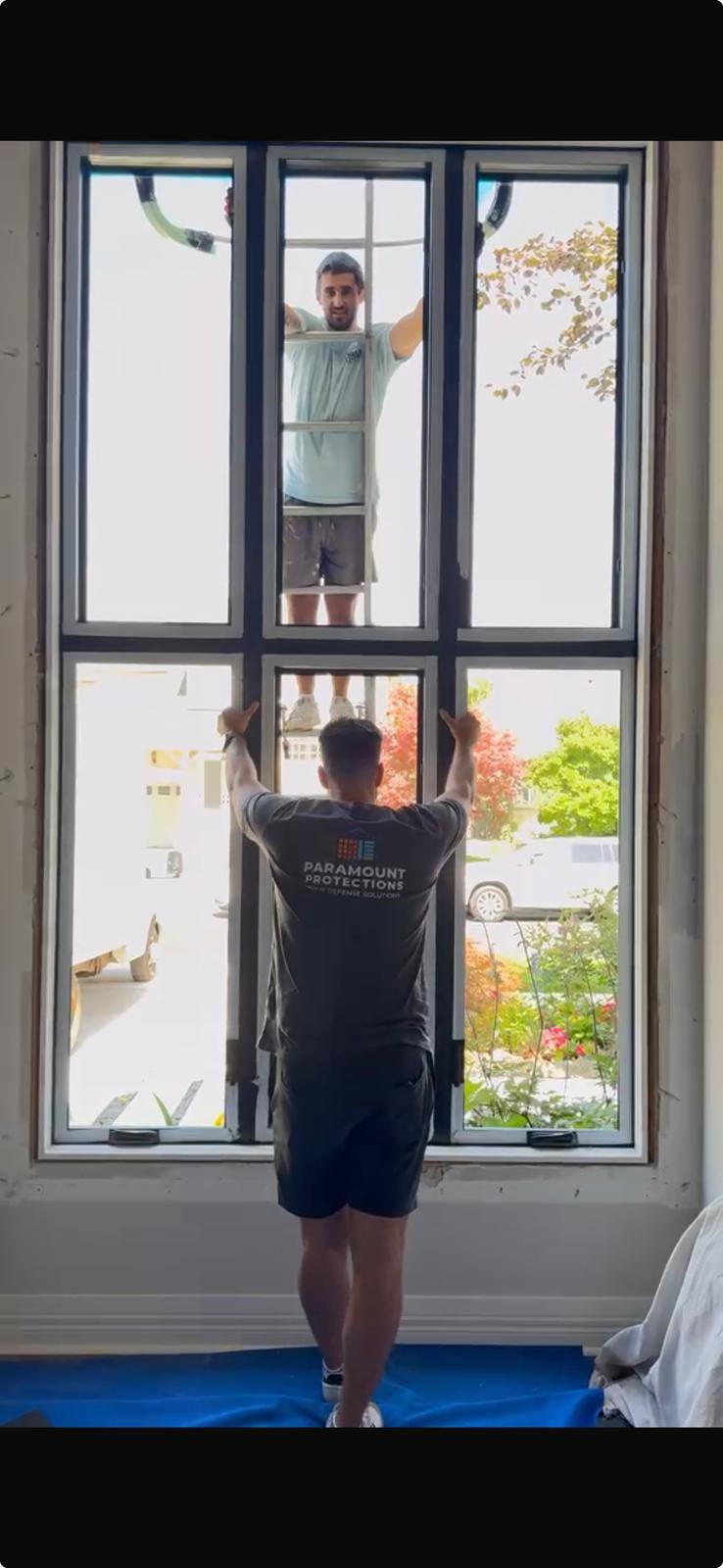
There is a catch though. For film to work the way you see in the demo videos, it has to be installed and anchored properly. That usually means using a mechanical bite at the frame, not just a sticker on the glass. We cover that part in more detail in the series, I just want it on your radar early.
What solar film does for heat, glare and fading
Solar film is a different tool for a different job. It is for comfort and protecting what is inside your home or business.
On the heat side, solar films are designed to reject a chunk of the sun’s energy before it enters the room. Less heat in the house, less load on your air conditioning. In real life, what people tell me is, “The back room finally feels usable in the afternoon,” or “The family room is not a sauna by 3 pm anymore.”
On glare, solar films take the sharp edge off bright light. If you have ever tried to watch a game or work on a laptop with a big south facing window, you know that pain. Film can soften that glare without turning your home into a cave.
Then there is fading. The sun is hard on floors, furniture, product displays and artwork. UV is a big part of that. Good solar films block a large amount of UV, which helps slow fading over time. Not stop it forever, but slow it down.
There are security films with some solar benefit, and solar films with a bit of toughness. In my own house, I often mix and match. For example, security film on basement windows and patio doors, solar film on the big front windows where the sun blasts our couch.
Here is what window film does not do
This is where I want to be very clear. Film is an important layer, but it is just that, one layer.
Window film does not make glass unbreakable. With enough force and time, glass will fail, even with strong film on it. Someone with tools and determination can still get through.
Window film alone does not secure a weak door or window. If the frame is rotten, the lock is flimsy, or the door can be kicked at the latch, film on the glass will not fix those issues. That is why we often talk about pairing film with things like better deadbolts or door reinforcement.
Window film does not replace alarms or cameras. It pairs well with alarm systems and security cameras, but it is not a substitute. Film slows and discourages. Alarms and cameras help with detection, response and evidence.
Film is not a cure for worry. I wish I could tell every nervous homeowner that one product will make them sleep perfectly. Life does not work that way. What film can do is reduce specific risks. Less glass hazard if a window breaks. More time to react if someone tries a quick smash entry.
If you remember nothing else from this article, remember this line. Film helps glass fail safely and slowly. It does not stop it failing altogether.
A quick checklist: is window film worth considering at your place
Here is a simple checklist I use when I walk my own house or a neighbour’s place.
- Do you have big glass near door locks, like sidelites or full glass doors.
- Are there basement or side windows hidden from the street or neighbours.
- Do you work from a room that gets heavy afternoon glare on your screen.
- Is there a room that gets too hot to use comfortably on sunny days.
- Do you have kids, pets, or older family members who might be near a window if it breaks.
- Is there furniture, flooring or merchandise fading in one spot from direct sun.
- Do you keep valuable tools, bikes or stock near accessible windows or doors.
If you ticked even a couple of those boxes, it is worth at least learning more about how film might fit into your overall plan.
How film fits into a layered approach
At my own house in Burlington, I do not rely on any single measure. I look at it the way local police talk about it in their public crime maps and stats, like the Halton Police crime map. Risk is not zero anywhere. The goal is to make your place less attractive and more work than the next one.
For many homes, my ideal order looks like this.
First, deal with basic doors. Solid frames, good locks, proper door reinforcement where it makes sense.
Second, deal with key windows. Typically that is patio doors, basement windows, and any glass that, if broken, gives instant access to the lock. That is where window security film comes in.
Third, add detection and visibility around the house, usually with a mix of alarm systems and security cameras.
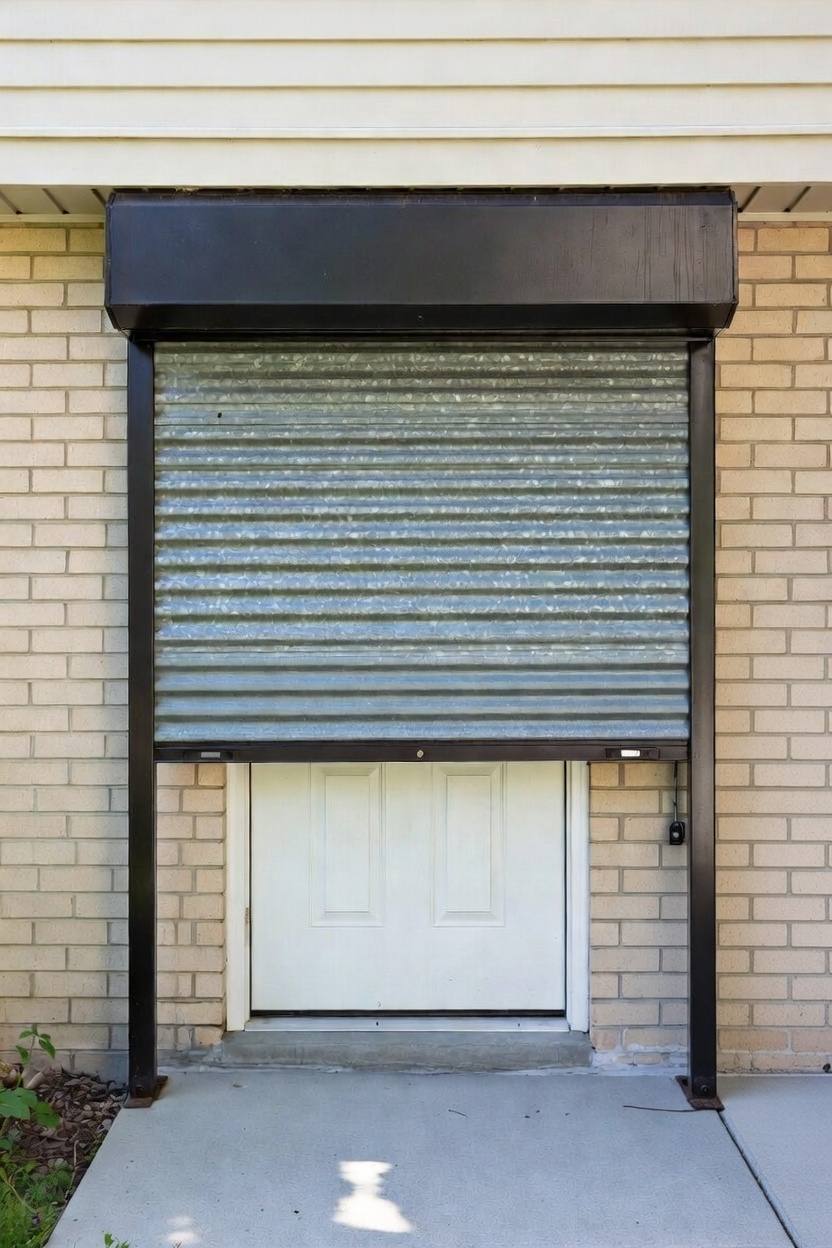
From there you can get into other layers. Garage and vehicle protection, or even shutters and fog cannons for higher risk businesses. We cover a lot of that in other guides and in our piece on choosing a security installer you can trust.
Window film sits quietly in the middle of all that. You forget it is there, until the day it matters.
Common questions
Will I notice security film on my windows
On most residential installs, no. Good quality security film is very clear. If we are putting it on only some panes, I will usually show you the difference so you can see it in normal daylight. Most people forget it is there within a week.
Does solar film make my house too dark
It depends on the shade you choose. In family spaces like kitchens and living rooms, I tend to recommend lighter films that cut heat and glare without killing natural light. In TV rooms or home offices, a bit more tint can be nice. We always look at samples on your actual windows before deciding.
Is film enough if I have a ground floor home office or storefront
For homes, security film on accessible glass is a strong starting layer, but I still like to see a basic alarm in place. For storefronts, I almost always suggest combining film with an alarm, good locks, and sometimes shutters or a fog system, depending on what you store inside. The goal is to stack delays and deterrents, not bet everything on one product.
Next step
If you want help walking through your own windows and doors, the next step is a calm look at your place together. We can talk through where window security film makes sense, where solar film might help with comfort, and where other layers should come first. You can book a risk assessment anytime through our contact page.